
£40.00 – £250.00
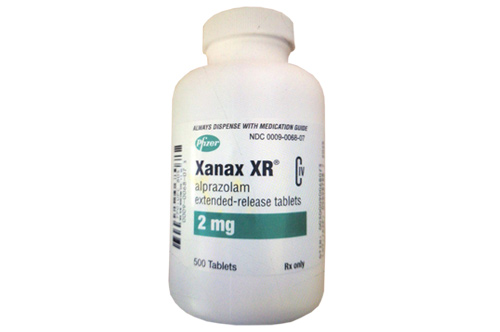
Xanax is a benzodiazepine medication used for the treatment of anxiety disorders, including panic attacks and depression. It contains the active ingredient alprazolam, that slows brain activity to produce a calming effect.
SHARE
Important information about Xanax
Xanax is the brand name for alprazolam, a benzodiazepine medicine.
It is used for the short-term symptomatic treatment of severe, disabling anxiety or anxiety causing extreme distress in adults. (Medicines.org.uk)
Alprazolam can cause:
It should only be taken exactly as prescribed.
Alprazolam belongs to the benzodiazepine family of medicines.
It works by increasing the effects of GABA, a chemical messenger in the brain that helps reduce excessive nervous-system activity.
This produces calming and sedative effects.
2 mg is a tablet strength, not a standard dose for everyone.
The appropriate dose depends on the individual’s symptoms, response to treatment, age, other medicines and medical history.
UK product information recommends that treatment begins at the lowest effective dose and is adjusted cautiously when necessary. (Medicines.org.uk)
For anxiety, the licensed product information describes doses beginning at 0.25–0.5 mg three times daily, with increases where clinically necessary and appropriate. The total daily dose may be increased up to 3 mg in some patients. (Medicines.org.uk)
Do not assume that a 2 mg tablet is an appropriate single dose. Never increase your dose without medical advice.
Xanax should be used for the shortest possible period.
UK product information recommends treatment for a maximum of 2–4 weeks, including the period needed to gradually reduce the medicine. Long-term treatment is not recommended. (Medicines.org.uk)
The need for continued treatment should be reviewed regularly.
Possible side effects include:
These effects can be particularly noticeable when treatment is first started or when the dose is increased. (Medicines.org.uk)
Benzodiazepines can occasionally cause unexpected psychological or behavioural effects.
These can include:
If significant changes in mood or behaviour occur, contact a healthcare professional promptly. (Medicines.org.uk)
Do not combine Xanax with alcohol.
Alcohol can substantially increase the sedative effects of alprazolam and can increase the risk of severe impairment.
Combining alcohol with benzodiazepines can be particularly dangerous because of the potential for excessive sedation and respiratory depression. (Medicines.org.uk)
Extra caution is required when alprazolam is taken with opioids.
Examples include:
Combining Xanax with opioids can cause:
UK prescribing information states that the combination should generally only be considered when alternative treatments are not possible, using the lowest effective doses for the shortest possible duration. (Medicines.org.uk)
Xanax can impair:
Do not drive or operate machinery if you are affected by the medicine.
The effects can be increased by alcohol or insufficient sleep. (Medicines.org.uk)
UK driving laws also apply to medicines that impair driving ability.
Alprazolam can cause dependence and addiction.
Dependence can occur even when the medicine is taken at therapeutic doses.
The risk increases with:
Signs of possible dependence can include:
If you are concerned about dependence, speak to a doctor or pharmacist. (Medicines.org.uk)
Do not stop Xanax suddenly if you have been taking it regularly.
Abrupt discontinuation or a rapid reduction can cause withdrawal symptoms.
Possible symptoms include:
Severe withdrawal can cause seizures and other serious symptoms. (Medicines.org.uk)
A healthcare professional should advise on gradually reducing the dose.
The reduction schedule should be individualised, particularly after higher doses or longer periods of treatment.
Alprazolam should not normally be used during pregnancy unless the clinical situation requires treatment.
Benzodiazepines can cross the placenta.
Use during later pregnancy can potentially cause problems in the newborn, including:
The UK product information advises that potential risks should be discussed if alprazolam is required during pregnancy. (Medicines.org.uk)
If you are pregnant or think you may be pregnant, speak to your doctor. Do not suddenly stop regular alprazolam without medical advice.
Alprazolam passes into breast milk.
The UK product information states that alprazolam is not recommended during breastfeeding. (Medicines.org.uk)
If you are breastfeeding and have been prescribed alprazolam, discuss the treatment with your doctor or pharmacist before taking further doses or making changes.
The NHS also advises breastfeeding mothers to tell their GP, pharmacist, midwife or other healthcare professional about medicines they are taking. (nhs.uk)
Alprazolam may not be appropriate for everyone.
Tell your doctor if you have:
Benzodiazepines should be used with particular caution in people with a history of substance misuse. (Medicines.org.uk)
Older people may also be more sensitive to sedation, dizziness and impaired coordination.
Always tell your doctor or pharmacist about all medicines you take.
Particular caution is required with medicines that cause sedation, including:
Combining medicines that cause sedation can increase impairment and the risk of breathing problems.
Taking more alprazolam than prescribed can cause serious effects.
Possible symptoms include:
An overdose becomes particularly dangerous when alprazolam is combined with alcohol, opioids or other central nervous system depressants. (Medicines.org.uk)
If you have taken more than prescribed, seek urgent medical advice.
Call 999 immediately if someone cannot be woken, has collapsed, has lost consciousness or is having serious difficulty breathing.
If you forget a dose, follow the instructions provided with your prescription.
Do not take a double dose to make up for a missed dose.
If you are unsure what to do, speak to your pharmacist or doctor.
Xanax is a prescription medicine intended for the person it has been prescribed for.
Never give your alprazolam to another person and never take someone else’s prescription.
The appropriate dose depends on the person’s medical circumstances and other medicines.
Is 2 mg of Xanax a high dose?
2 mg is an available tablet strength, but it is not a standard dose for everyone. The appropriate dose depends on the individual and the reason for treatment.
Is Xanax addictive?
Yes. Alprazolam can cause physical and psychological dependence and addiction, even at therapeutic doses. Risk increases with higher doses and longer treatment. (Medicines.org.uk)
Can I drink alcohol with Xanax?
No. Alcohol can increase sedation and impairment and may increase the risk of serious complications.
Can I take Xanax with opioids?
This combination can be dangerous because of the increased risk of sedation and respiratory depression. It should only be used together when specifically prescribed and carefully monitored. (Medicines.org.uk)
Can I drive after taking Xanax?
Xanax can impair concentration, coordination, memory and reaction time. Do not drive if you are affected.
Can I stop Xanax suddenly?
No, not if you have been taking it regularly. Sudden withdrawal can be serious and can include seizures. A healthcare professional should advise on gradual reduction. (Medicines.org.uk)
Can I take Xanax during pregnancy?
Alprazolam should generally only be used during pregnancy when the clinical situation requires it. Speak to your doctor if you are pregnant or planning pregnancy. (Medicines.org.uk)
Can I breastfeed while taking Xanax?
UK product information does not recommend alprazolam during breastfeeding. Discuss alternatives with your doctor or pharmacist. (Medicines.org.uk)
What should I do if I take too much?
Seek urgent medical advice. Call 999 if the person cannot be woken, has lost consciousness or has serious breathing difficulties.
Call 999 immediately if someone who has taken Xanax:
For urgent but non-life-threatening medical advice in England, contact NHS 111.
This website provides general educational and safety information about alprazolam (Xanax).
It is not a substitute for advice from a doctor, pharmacist or other qualified healthcare professional.
Xanax is a prescription benzodiazepine. It should only be taken exactly as prescribed.
Never increase your dose, combine it with alcohol or other sedating substances, or stop regular treatment suddenly without professional advice.
If you are pregnant, breastfeeding, concerned about dependence, experiencing side effects, or taking other medicines, speak to a healthcare professional.
In an emergency, call 999. For urgent but non-life-threatening medical advice in England, contact NHS 111.
Medical information should be reviewed regularly because prescribing guidance can change.
Our online pharmacy has been helping people beat insomnia and anxiety issues for many years, we are regarded as one of the best sleeping pills supplier in the UK stocking a wide range of safe and effective licensed medications for insomnia and anxiety treatment. Buy sleeping pills online without the need of a doctor’s prescription and at the best possible prices.
Working hours: 24 hours a day
Working days: Mon to Sun (7 days a week)
